
How To Add Elements of Patina to Your Space
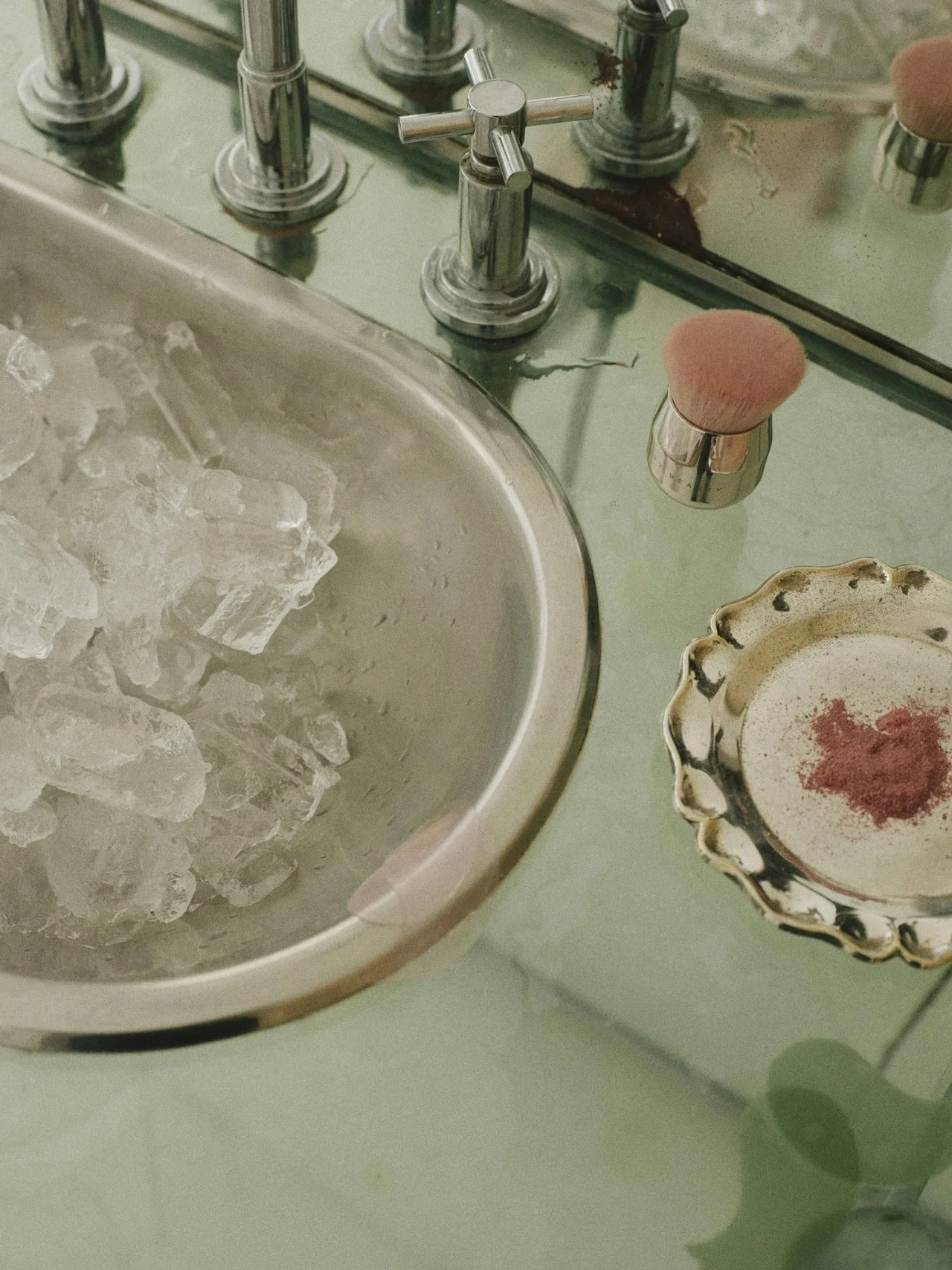
Patina is often described as the visible trace of time. The softening of a finish. The darkening of a handle where hands return again and again.
In contemporary interiors, where so much arrives new and untouched, patina introduces something quieter. It offers evidence of living. A sense that a space has been shaped gradually, rather than installed all at once.
The easiest place to begin is with materials that change naturally. Brass, for example, rarely stays bright for long. It dulls, deepens, and develops variation across its surface. Left unlacquered, it responds to the conditions around it. The same is true of vegetable-tanned leather, which absorbs oils and light, becoming softer and darker over time. Even untreated wood carries this quality. Floors fade where the sun reaches them. Edges round slightly. Grain becomes more pronounced.
Patina can also be introduced through objects that have already lived elsewhere. A worn stool. A ceramic bowl with a hairline crack. Linen that has been washed enough times to lose its stiffness. These pieces carry a kind of visual ease. They do not need to prove themselves. They simply exist.
Restraint is important. Patina is most effective when it appears incidentally. One or two elements within a room can shift its entire atmosphere. A single aged mirror placed against a clean wall. A vintage lamp on an otherwise minimal desk. These moments create tension between new and old, smooth and worn.
Light plays a role as well. Natural light reveals variation across surfaces. It catches the unevenness. It makes subtle differences visible throughout the day. A room that allows for this kind of change will always feel more alive.
Over time, the goal is not to preserve things exactly as they are, but to allow them to continue changing. To accept marks, fading, and wear as part of the design itself.
Patina cannot be rushed. It accumulates slowly, through presence and use. What it offers in return is a space that feels grounded, personal, and entirely its own.
