
How Designers Make New Kitchens Feel Established
The difference between a new kitchen and an established one rarely comes down to architecture. It comes down to what’s allowed to interrupt it.
A new kitchen often reveals itself immediately. Surfaces are too even. Finishes are too consistent. Everything reflects light the same way. It feels resolved, but not yet believable.
The shift begins on the counter. Most designers avoid leaving counters completely empty. Instead, they introduce two or three permanent objects. A glass you actually use. A bowl that lives there. Something sculptural but functional. This breaks the perfection and creates familiarity.
Material contrast is the next layer. If cabinetry is matte, introduce something reflective. Glassware is especially effective. It moves light differently throughout the day and keeps the room from feeling static. Vintage glasses work best because they distort reflection slightly.
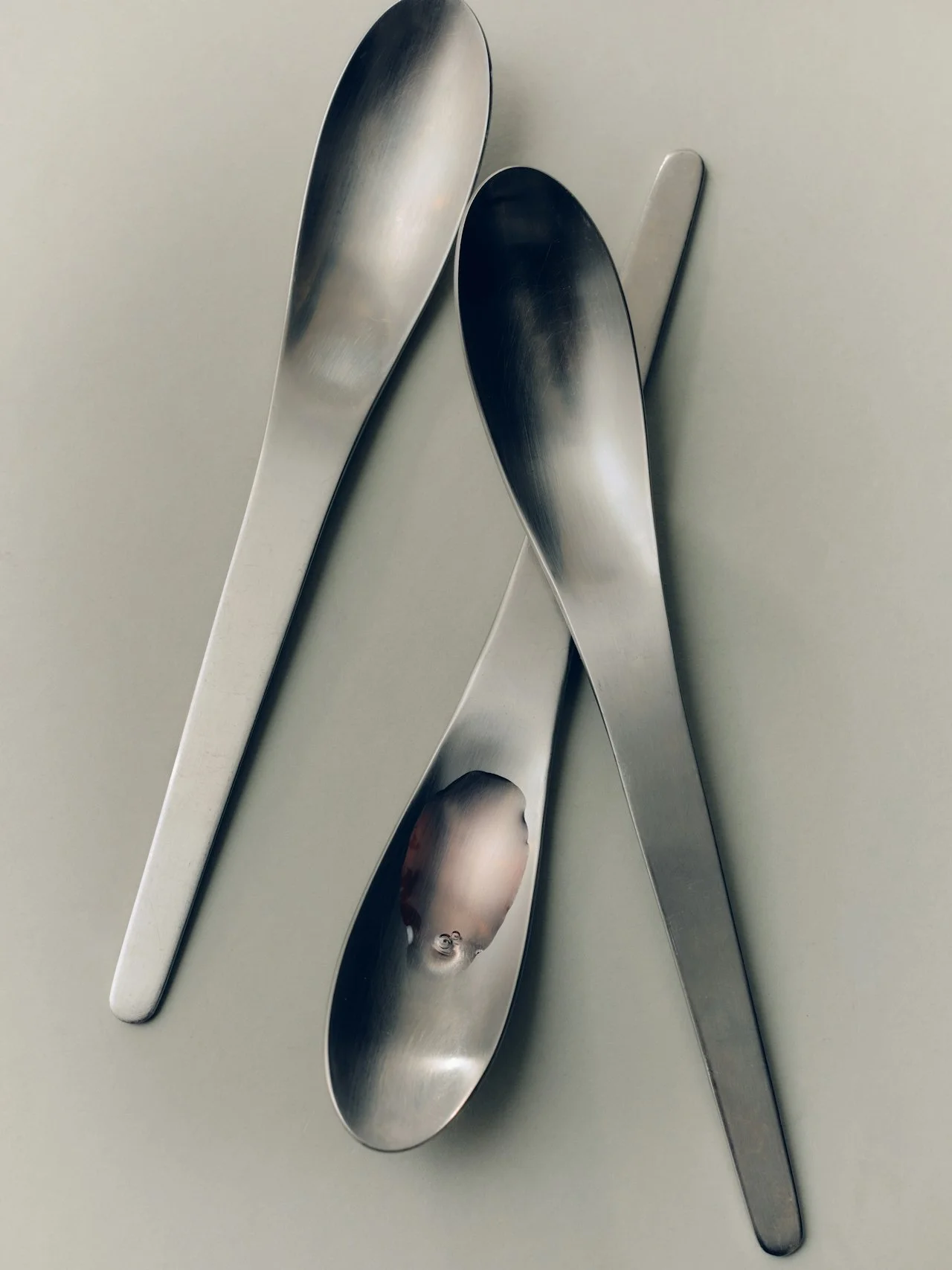
Hardware should never feel overly polished.Unlacquered brass, brushed stainless, or even slightly dulled chrome develops variation quickly. These finishes respond to use, which immediately grounds the kitchen.
Lighting matters more than most people realize. Turning off overhead lights and relying on a single lamp in the evening can completely shift the atmosphere. It removes the showroom quality and makes the kitchen feel like part of the home rather than its centerpiece.
The final step is restraint. Leave something out. Not styled. Not arranged. Just present.
